Physics of vortices in vertebrate embryo development. Experimental evidence and models.
|
Physics of vortices in vertebrate embryo development. Experimental evidence and models. |
|||||
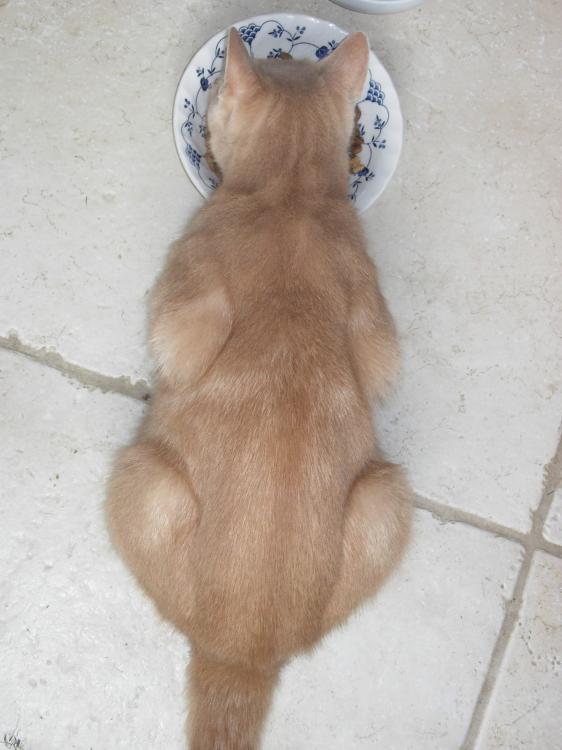
| The broken symmetry (hyperbolic) is propagated to all scales, until it is visible on the final animal body. | |
||||
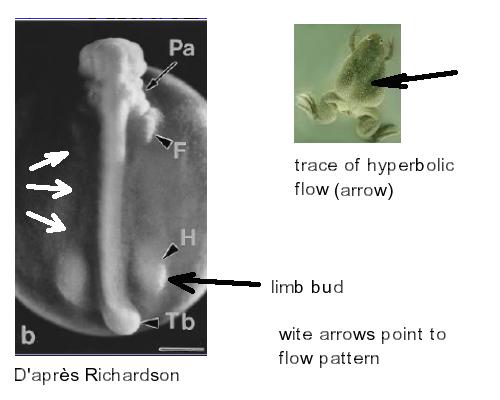
| On many taxons, the windings are clearly visible, as for example here, on a direct frog (courtesy of Prof. Richardson). | |
||||
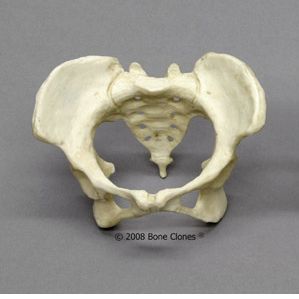
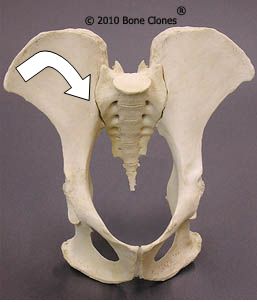
| The pelvis shows a very clear "long ranged" winding, which can hardly be described by a succession of genetic inductions. | |
||||
| Between closely related animals, as for example a chimpanzee and a man, one notices an increase of the winding. | |
||||
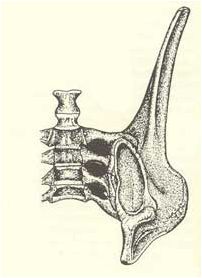
| On a stegosaure pelvis, one notices a long bony tip, which is nothing but a hydrodynamic plume, as classical in hydrodynamics. | |
||||
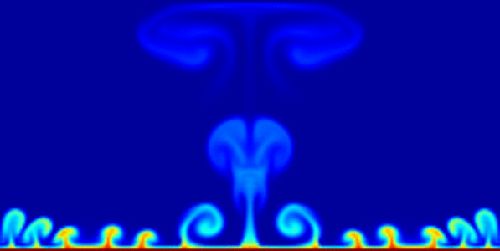
| Examples of hydrodynamic plumes in the Rayleigh-Bénard instability. from the site http://www.lbmethod.org/numerics:rb_2d. | |
||||
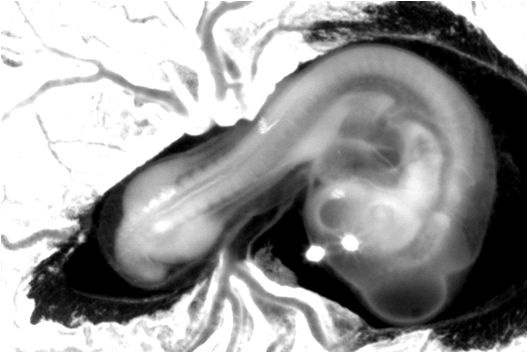
| Such a hydrodynamic plume is visible on a young chicken embryo, before the formation of the legs. | |
||||
| End of vortex explanations | The quotation page : "Were it not for the kangourou, men would never had known they lacked a marsupial pouch", Alexandre Vialatte. | ||||
| Retour à la page de présentation-Back to front page | |||||